
The Art of Thinking Clearly
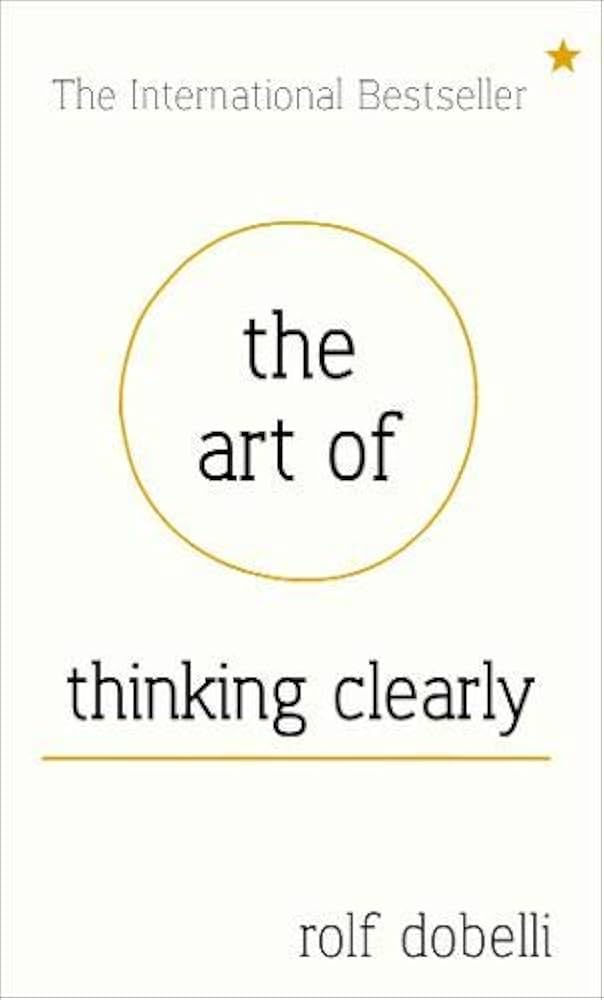
Author - Rolf Dobelli
When we face a dilemma or struggle to make a decision, it often signals a lack of clear thinking. Clear thinking is essential for making sound decisions, solving problems effectively, and handling complex situations. It enables us to avoid biases, view situations objectively, and respond thoughtfully instead of impulsively. With clarity, we make wiser choices, reduce stress, and strengthen relationships, ultimately leading to more successful outcomes. However, achieving clear thinking is challenging, as our thoughts are influenced by past experiences and the biases we have accumulated over time.
The Art of Thinking Clearly by Rolf Dobelli explores the cognitive biases and logical fallacies that cloud human judgment and decision-making. Through 99 concise chapters, Dobelli provides insights into how our brains trick us into making irrational choices.
Key Takeaways:
Avoiding Cognitive Biases: Dobelli explains that we all have mental habits that distort our judgment. For instance, confirmation bias makes us look for information that supports our beliefs, loss aversion makes us more afraid of losing than eager to gain, and overconfidence makes us think we’re better than we are. Knowing about these biases helps us make fairer, clearer decisions.
The Halo Effect: The author describes how our general impression of someone influences how we see their other qualities. For example, we might think an attractive person is also smart or kind. Recognising this helps us form more accurate views of people and situations.
The Sunk Cost Fallacy: This idea explains why people stick with a bad investment, simply because they have already put time or money into it. The author suggests that our choices should focus on the future, not on what we have already spent, as that is lost and cannot be recovered.
Social Proof and Herd Behavior: Dobelli warns about the danger of following the crowd. We often think something must be right if everyone else is doing it. To avoid this, he recommends trusting your thinking rather than just following others.
Less is More: The author believes simpler choices are often better. He explains that adding more information can sometimes make decisions harder and less accurate. By ignoring unnecessary details, we can think more clearly and make wiser choices.
The book is written in an engaging and accessible style, with each chapter providing a snapshot of a specific cognitive bias or fallacy. Dobelli’s writing is conversational, and straightforward, and often includes anecdotes or simple examples to illustrate complex psychological phenomena. The structure of the book—divided into short, focused chapters—makes it easy to digest, even if the reader only has a few minutes at a time. This segmented format also lends itself well to revisiting particular concepts when needed.
Dobelli’s style is reflective and subtly humorous, which helps lighten topics that might otherwise feel dense. He often addresses readers directly, encouraging them to pause and consider their thought processes. This conversational tone reinforces the book’s accessibility, making it feel more like an insightful chat than a lecture.
The language of the book is simple, direct, and non-technical, making it suitable for readers from various backgrounds, even those unfamiliar with psychology or behavioural economics. The author avoids jargon, using clear definitions and everyday scenarios to make the biases relatable. The readability and clarity of language allow readers to quickly grasp each concept without getting bogged down in academic terminology.
The Art of Thinking Clearly, offers valuable, bite-sized lessons in cognitive awareness. Dobelli’s approachable style and clear explanations make complex topics easily understandable. The book is ideal for anyone seeking to improve decision-making skills, avoid common mental traps, and understand how thinking errors affect daily life. While the advice sometimes feels repetitive, the book’s actionable insights and accessible format make it a worthwhile read for those interested in refining their thought processes.
BookVibes:3.5/5


Comments